Doctors and Advanced Practice Providers
Medical Mission Trips for Doctors & Advanced Practice Providers
Volunteer as a Doctor on a Medical Mission Abroad
MDs, DOs, Nurse Practitioners, Physician Assistants, and Other Advanced Practice Providers and Licensed Specialists
International Medical Relief (IMR) offers medical mission trips for doctors, physicians, nurse practitioners, physician assistants, and other advanced practice providers who want to use their medical skills to serve patients in communities around the world.
Volunteer medical providers are essential members of IMR’s international medical mission teams. Working alongside local healthcare professionals and an interdisciplinary team, providers help evaluate, diagnose, treat, educate, and refer patients who may have limited access to healthcare.
Every medical mission is different. Patient populations, presenting conditions, available resources, local healthcare systems, and community needs vary by destination. What remains consistent is the opportunity to provide compassionate patient care while collaborating with healthcare professionals from different backgrounds and cultures.
Who Can Volunteer as a Medical Provider?
IMR medical mission teams welcome licensed healthcare providers representing a wide range of professions and specialties.
Depending on the mission, volunteers may include:
MD and DO Physicians
Nurse Practitioners and Advanced Practice Nurses
Physician Assistants/Physician Associates
Pediatricians
Family Medicine and Primary Care Physicians
Emergency Medicine Physicians
Internal Medicine Physicians
OB-GYN and Women’s Health Providers
Geriatric Providers
Mental Health Professionals
Surgeons and Surgical Specialists
Other Licensed Medical Specialists
The specialties represented on each mission help determine the capabilities of the medical team and the services that can be provided.
What Do Doctors Do on Medical Mission Trips?
Physicians and advanced practice providers serve an important clinical role on IMR medical missions.
Depending on professional credentials, specialty, patient needs, available resources, and host-country requirements, providers may evaluate patients, diagnose acute illnesses, treat appropriate medical conditions, prescribe medications, perform minor procedures, provide patient education, supervise students and other members of the clinical team, and identify patients who need referral for additional care.
Providers frequently work in environments where diagnostic testing, medications, imaging, and specialist services may be more limited than in their everyday practice.
Clinical judgment, adaptability, teamwork, and patient education therefore become particularly important.
Medical Mission Trips for Nurse Practitioners
Nurse practitioners are valuable members of IMR’s interdisciplinary medical teams.
NPs can bring experience in primary care, pediatrics, women’s health, family medicine, emergency care, geriatrics, and other specialties to communities where access to healthcare may be limited.
Depending on credentials, mission needs, and applicable requirements, nurse practitioners may assess patients, diagnose and treat appropriate conditions, prescribe medications, provide health education, supervise students, collaborate with physicians and nurses, and refer patients who require additional care.
International medical service also provides an opportunity for NPs to practice the patient education and advocacy that are central to advanced nursing care.
Medical Mission Trips for Physician Assistants
Physician assistants and physician associates can play an important role on IMR medical missions abroad.
PAs bring broad clinical training, flexibility, and experience working within collaborative medical teams—all valuable skills in an international clinic environment.
Depending on credentials, supervision requirements, host-country regulations, and mission needs, PAs may evaluate and treat patients, assist with procedures, prescribe or recommend appropriate medications, provide patient education, supervise students, and collaborate with other members of the medical team.
Medical Missions for Physicians Across Specialties
International medical missions benefit from physicians representing many different specialties.
Primary care and family medicine providers can evaluate a broad range of patient concerns. Pediatricians bring expertise in caring for children. Emergency physicians contribute experience in rapid assessment and acute illness. OB-GYN and women’s health providers can address important maternal and reproductive health needs.
Internal medicine, geriatrics, mental health, infectious disease, physical medicine, surgical specialties, and other areas of expertise can also strengthen a mission depending on the needs of the community.
IMR builds interdisciplinary teams around the professionals participating in each mission and the locally identified healthcare needs of the communities being served.
What Is It Like to Practice Medicine on an International Medical Mission?
Providing healthcare abroad can be very different from practicing medicine at home.
Resources may be limited. Clinics may operate in community centers, schools, local healthcare facilities, or other settings selected with community partners. Providers may encounter conditions influenced by delayed access to care, geography, nutrition, sanitation, chronic disease, infectious disease, or other social determinants of health.
Medical volunteers must be prepared to adapt their clinical approach to the resources available while maintaining appropriate standards of patient care.
The experience also provides an opportunity to spend meaningful time with patients, collaborate with local healthcare professionals, teach and mentor students, and learn how healthcare is delivered within another culture and healthcare system.
Working Alongside Local Healthcare Professionals
Collaboration with local healthcare professionals and community partners is fundamental to responsible international medical service.
Local providers bring knowledge of their communities, healthcare systems, disease patterns, cultural practices, available resources, and appropriate referral pathways.
IMR volunteers contribute their own clinical experience while learning from the professionals and communities hosting the medical team.
This exchange of knowledge helps create a more respectful and effective model of global health service.
Where Can Doctors Volunteer Abroad?
IMR conducts international medical missions in communities throughout Africa, Asia, Latin America, the Caribbean, and other regions of the world.
Each destination presents different healthcare needs and opportunities for service.
Physicians and advanced practice providers can explore upcoming IMR medical missions based on destination, mission dates, specialty needs, and personal availability.
Why Volunteer as a Physician or APP with IMR?
Medical professionals spend their careers caring for others. An international medical mission offers an opportunity to use that experience in a new environment while serving communities that have invited IMR to work alongside them.
Providers often tell us that medical missions reconnect them with some of the reasons they originally chose healthcare: caring for patients, solving clinical problems, teaching, learning, and working closely with other medical professionals.
For some providers, one mission becomes an ongoing commitment to global health. Many return on future missions, mentor students, serve in clinical leadership roles, or bring colleagues and family members to serve alongside them.
IMR clinics abroad rely on volunteer physicians, advanced practice providers (NP, PA, CRNA, NMW, etc.), and licensed therapists (RT, PT, OT, etc.) to diagnose and treat sick patients on medical mission trips. The specialties of the volunteers on each of our medical missions determines the make-up of the medical team, meaning it is different on each mission. But all volunteers work together to provide the best care possible for our patients.
Volunteer physicians and advanced practice providers on IMR medical missions may be specialists in pediatrics, obstetrics and gynecology, infectious disease, pain management (including acupuncture and chiropractic providers), physical medicine, geriatrics, family practice, or mental health. Nurses, respiratory therapists, physical therapists, and occupational therapists work side by side with physicians and advanced practice volunteers to provide comprehensive care for our patients. Nurses care for our well and mostly well patients and assess and recommend over-the-counter medications or work under standing orders to treat specific conditions. Doctors and advanced practice providers work in highly collaborative care teams that require every team member, including students and non-medical volunteers, to care for patients well.
Surgical Teams
On IMR surgical missions, we take surgeons of varying specialties and recruit candidates that match up with the team’s ability to provide care. These missions are longer in length because they include adequate time for prescreening candidates and setting up a surgical rotation. They also include post-surgery care and training for follow-up with local providers. Learn more about the roles of our surgical teams.
Frequently Asked Questions About Medical Mission Trips for Doctors
What types of doctors can volunteer?
IMR welcomes physicians from many specialties. Mission needs vary, but primary care, family medicine, pediatrics, emergency medicine, internal medicine, women’s health, geriatrics, mental health, and other specialties can all contribute valuable expertise.
Can nurse practitioners volunteer on medical mission trips?
Yes. Nurse practitioners can serve as important members of IMR medical teams. Clinical responsibilities depend on credentials, specialty, mission needs, supervision requirements, and applicable host-country regulations.
Can physician assistants volunteer abroad?
Yes. Physician assistants and physician associates may participate in appropriate clinical roles according to their credentials, experience, mission requirements, supervision, and applicable regulations.
Do I need previous international medical experience?
Previous international medical experience is not necessarily required. IMR provides mission-specific information and orientation, and providers work as part of an interdisciplinary medical team.
Do I need an active medical license?
Clinical credential requirements depend on the provider role, destination, and mission. Volunteers should provide the professional documentation required by IMR and the applicable host country for their intended clinical role.
What conditions will I treat?
Patient populations and conditions vary significantly by destination. Providers may encounter acute illness, chronic disease, pediatric concerns, women’s health needs, infectious disease, musculoskeletal complaints, dermatologic conditions, and other primary and urgent healthcare needs.
How long are medical mission trips?
Mission duration varies by destination and program. IMR offers medical missions of different lengths throughout the year.
Where can physicians volunteer abroad?
IMR offers international medical missions in countries throughout Africa, Asia, Latin America, the Caribbean, and other regions. Current destinations, dates, and mission details are available through IMR’s mission schedule.
Find Your Medical Mission
Your medical training can make a meaningful contribution to patients and communities around the world.
Explore upcoming medical mission trips for doctors, physicians, nurse practitioners, and physician assistants and find an opportunity to serve abroad with International Medical Relief.
Explore Upcoming Medical Missions for Doctors
Roles for Volunteer Doctors, PAs, NPs, and Other Advanced Practice Providers in Clinic
- Diagnose and treat acute illness and emergent conditions in clinic. Because of limited resources within the local health care systems, we treat chronic conditions primarily with patient education.
- Provide direct supervision and education for professional students on the IMR team, local professional students volunteering with the IMR team, and technical health care workers volunteering with the team.
- Work with pharmacists, nurses, EMS, and students in highly collaborative care teams that enable consultation and patient transfer among providers.
- Diagnose and treat well or mostly well patients, as required for good patient care, depending on patient load and team make-up.
- Perform within the scope of practice for your licensure, including diagnosis, treatment, medication prescribing, and performing necessary minor procedures, as appropriate.
- Educate patients at your station based on their specific diagnoses and health needs.
- Refer patients for additional care to local hospitals or health centers as required and in consultation with the Chief Medical Officer and the IMR Team Leader.
- Educate family members and provide care for transmittable diseases as appropriate, such as sexually transmitted infections, fecal- and water-borne infections, skin infections, and eye infections.
- Understand and comply with all IMR policies and procedures as outlined in the Provider Guidelines.
Testimonials
To my family and friends, I could not have done this without your love and support! THANK YOU so much!!
To my IMR crew, you guys and girls were amazing. It was an honor and a privilege working with you. I’m going to miss you all!!
Thank you all for making this possible!
To my family and friends, I could not have done this without your love and support! THANK YOU so much!!
To my IMR crew, you guys and girls were amazing. It was an honor and a privilege working with you. I’m going to miss you all!!
Thank you all for making this possible!
Thank you to the people of Haiti for filling my heart with so much gratitude and reassuring me that this is what I am meant to do. Thank you to International Medical Relief for allowing us to provide care for over 1,000 citizens and allowing me to work with an amazing crew! Until next time.
My heart is truly so full and I am so thankful I was able to be a part of this team. The team was made up of 42 amazing people from all over the U.S. The people of Kenya were absolutely wonderful and so kind and gracious. We were able to help 1,377 patients on this mission!!
If anyone is considering a mission mission, I hope you will consider International Medical Relief. I definitely hope to do more missions for sure and I will never forget this mission of a lifetime.
Together we have triaged, diagnosed, prescribed for, and treated over 600 patients in just three days, and will continue for a few more days. We’ve seen everything from malaria, infectious wounds, amebiasis, tuberculosis… to appendicitis, sepsis, and splenomegaly.
All with the help of some skilled, hardworking translators.
It’s been exhausting but rewarding, and one of the few times in life I’m eager to wake up and start the day.
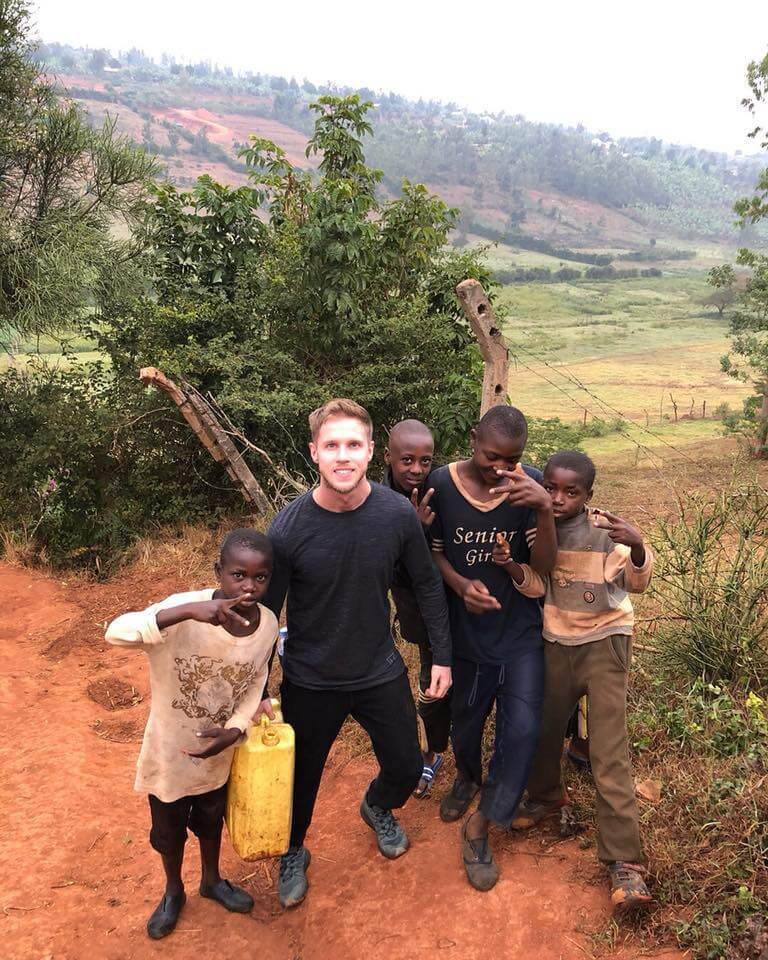
It never ceases to amaze me how great of an impact people can have when we come together for a unified mission. I mean, our team was just a bunch of strangers that all gathered in one place, with one goal: to serve and give to the people of Haiti.
How amazing!
To give selflessly is truly the GREATEST experience of being human. Thank you to IMR for being an organization that strives to make a difference in this world.
Join Us in Making a Difference.
You can join an IMR medical mission team or donate today!