Brazil · Americas · Medical Relief Missions
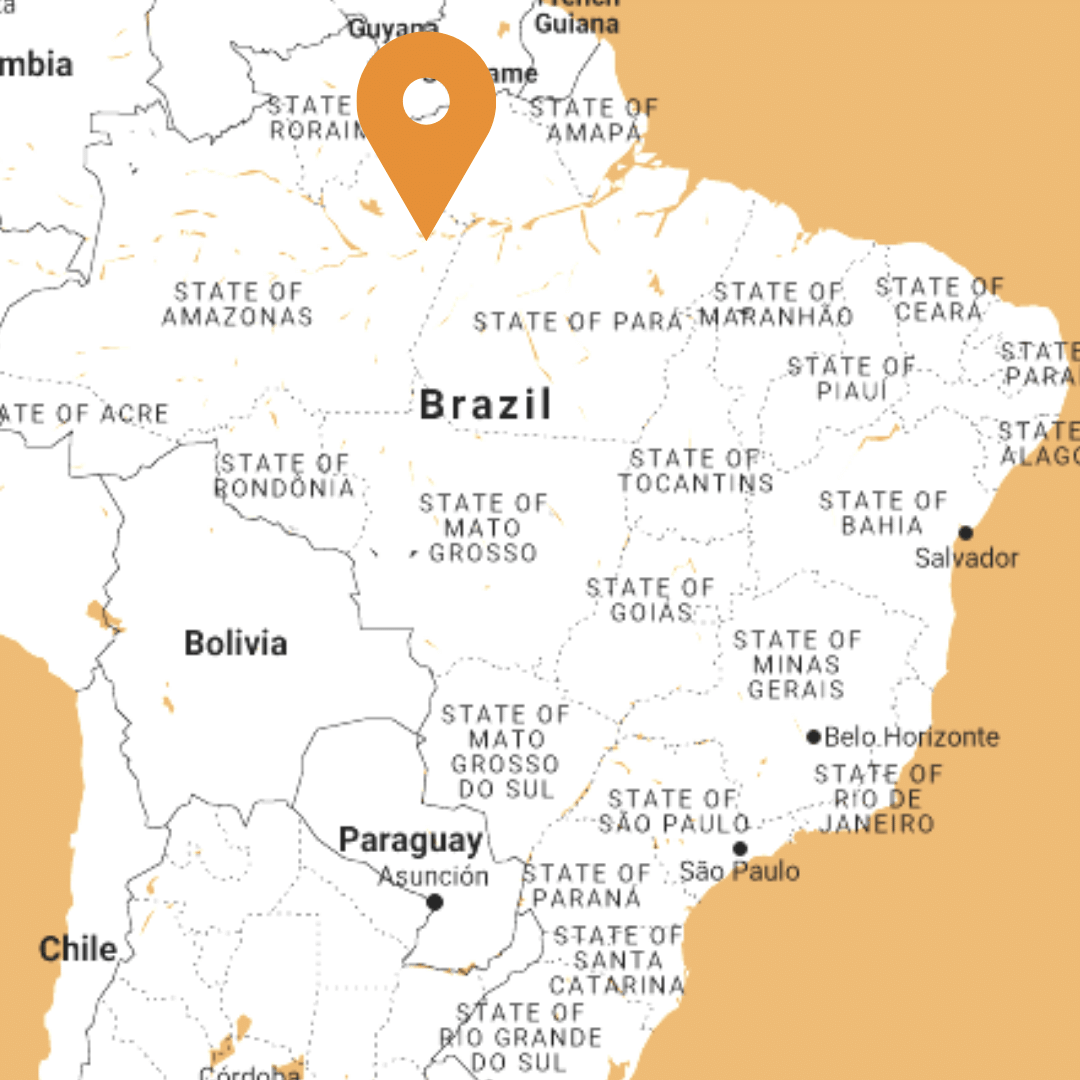
Brazil – Amazon
 This Medical Mission Has Been Completed
August 16, 2026 — August 22, 2026
Upcoming Missions in Brazil
All Brazil missions →There are no upcoming missions scheduled here right now. Explore all current missions →
More Upcoming Missions in the Americas
All Americas missions →


Mission Archive · August 2026

The Need
In Brazil’s Amazon region, the World Health Organization has reported a rise in health issues linked to basic hygiene, water storage, sanitation, and insect control. These challenges, compounded by significant health disparities, highlight the influence of social determinants of health. Diseases such as malaria, leishmaniasis, tuberculosis, and leprosy disproportionately affect those in lower socioeconomic classes and without access to formal education.
Brazil’s innovative floating healthcare system, launched in 2013, operates 96 boats serving 83 municipalities across the Amazon and Pantanal regions, bringing vaccines, screenings, and urgent care to remote communities at least six times a year. Despite challenges—only 23 boats currently operate regularly due to funding and maintenance constraints—this model shows that with creativity and commitment, geographic and logistical barriers can be overcome to uphold the fundamental right to healthcare.
International Medical Relief (IMR) partners with local communities to address these gaps through both direct medical care and sustainable health education. On this mission, volunteers will care for patients with treatable and often preventable conditions, including malaria, dengue fever, leishmaniasis, and tuberculosis, as well as non-communicable diseases such as hypertension, diabetes, alcoholism, and smoking-related illness. Volunteers may also treat cases of snake and piranha bites, fungal infections, and ear infections.
Education is central to IMR’s work, empowering locals to protect their own health and care for their loved ones. This mission will place special emphasis on dentistry—meeting the high demand for care across all age groups—and on women’s health, providing general care for women and infants while strengthening the knowledge and skills of local midwives.
Our Work

International Medical Relief (IMR) began serving Brazil in 2010, delivering community health training, medical treatments, medical supplies and equipment, and operating clinics in partnership with local providers. Since then, we have served more than tens of thousands of patients with the dedication of IMR staff and volunteers.
Our care often extends beyond clinic walls. By making house calls, IMR teams gain valuable insight into the daily lives, environments, and challenges of the patients we serve. This allows us to provide health education tailored to each community’s specific needs—ensuring that our impact is both immediate and sustainable.
Today, IMR continues to provide long-term healthcare and education in Brazil, working to strengthen resilience in remote communities. As climate change further isolates these populations and brings new health challenges, the role of Brazil’s floating clinics becomes even more critical. These clinics are not only treating patients—they are preserving entire communities and ensuring that distance does not determine who lives and who dies.
The floating healthcare centers of the Amazon exemplify what medical humanitarianism can be: not just a response to crises, but an innovative, enduring solution that brings dignity, hope, and healing to the world’s most vulnerable—one river community at a time.
With diligent planning and preparation, IMR is dedicated to ensuring that specific goals are met on our missions, each in correlation to the United Nations Sustainable Development Goals 3, 6, and 17.
IMR works to elevate vulnerable populations through shoulder-to-shoulder care with our local partners, creating workforce density, and a cadre of future healthcare and public health leaders in association to UNSDG 3: Good Health & Wellbeing.
Our medical mission teams also work toward UNSDG 6: Clean Water & Sanitation by supporting and strengthening the participation of local communities in improving their water quality, and installing water filtration systems that supply communities with clean drinking water and providing education on hydration and hygiene.
In correlation with UNSDG 17: Partnerships for the Goals, our organization works in collaboration and at the request of local hosts where we are under their direct influence and affluence. IMR never goes into a country without a formal invitation where there is a great community need for medical or dental care, and health education.
This Mission

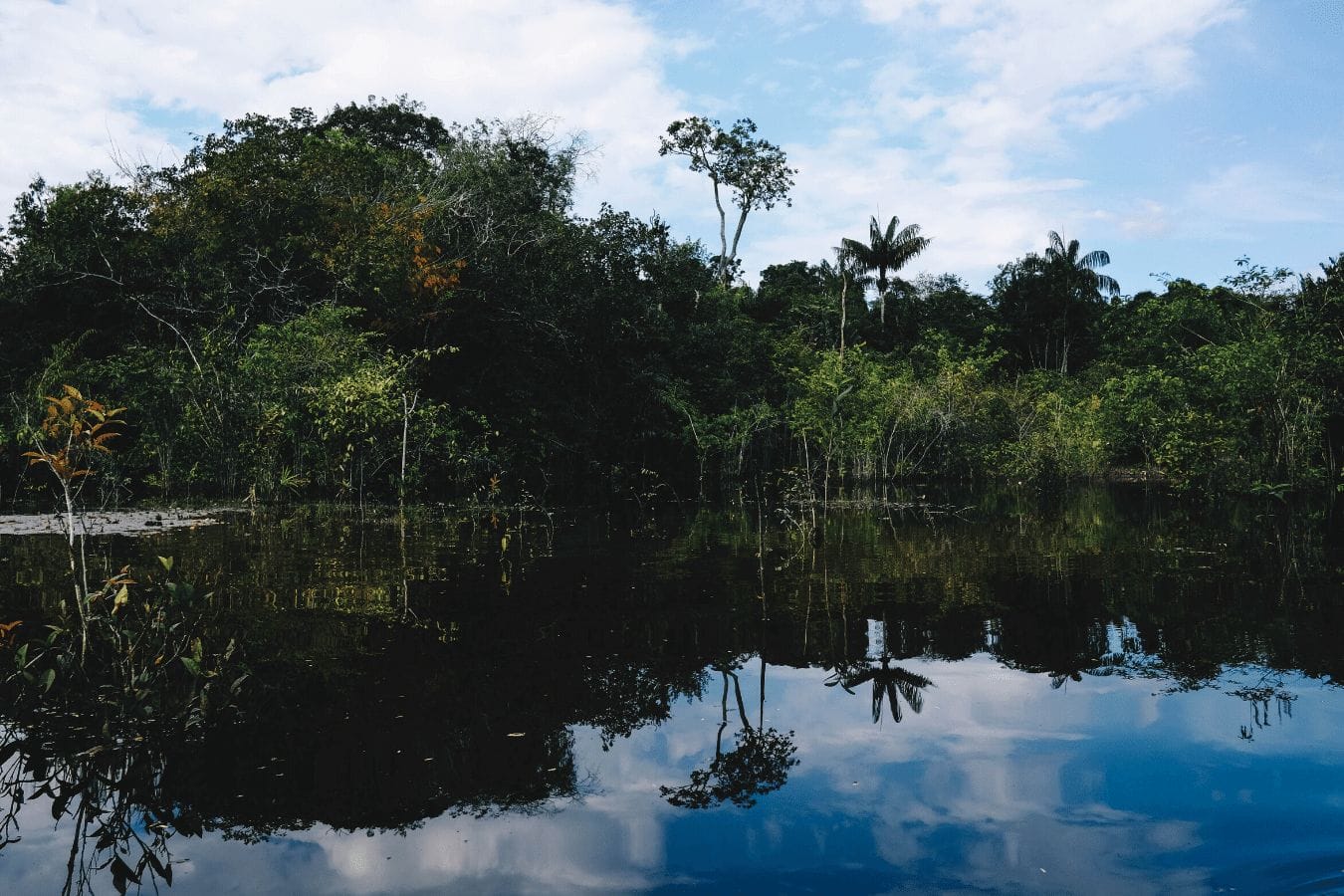
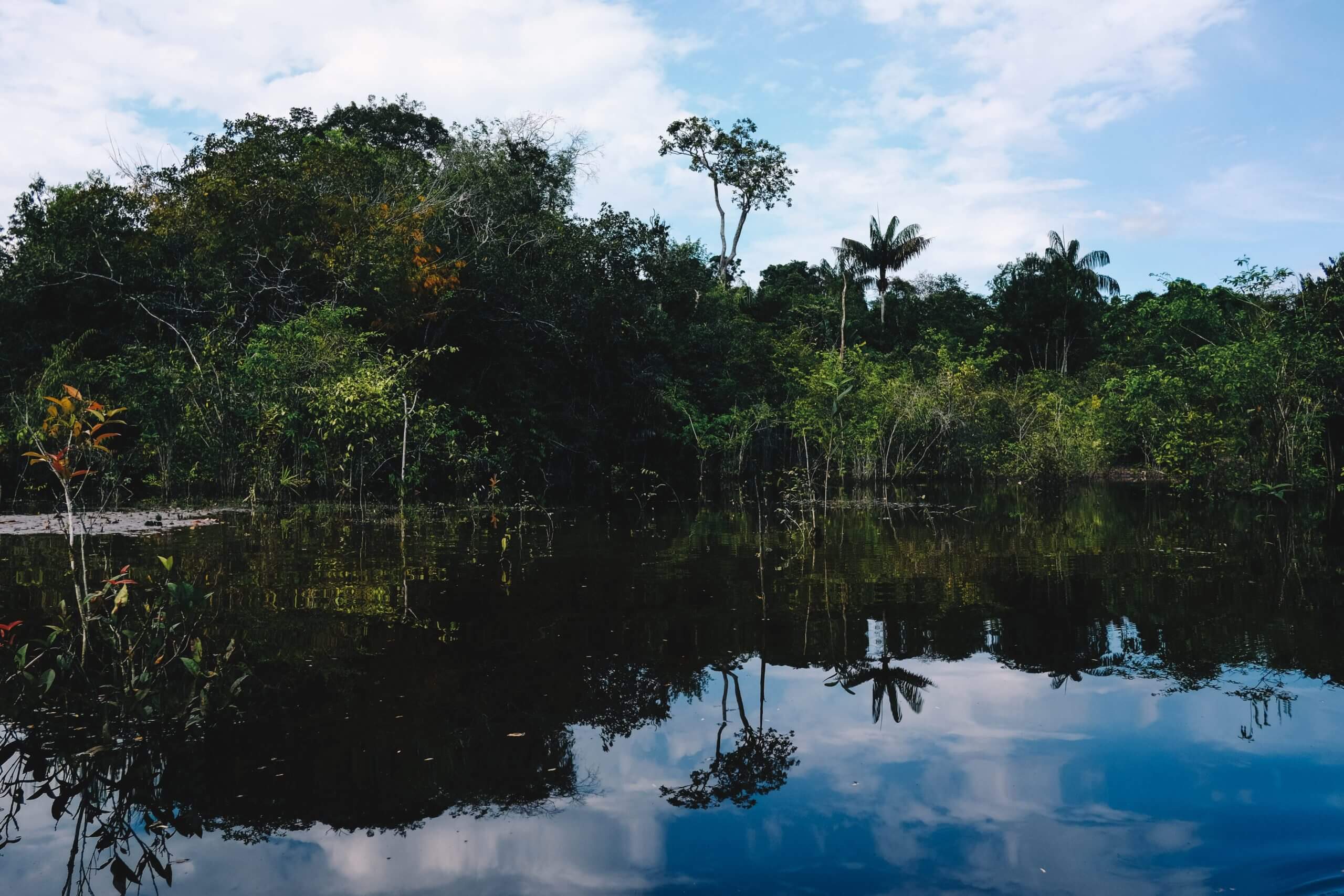
During your time in Brazil, you will experience the heart of the Amazon—living aboard a riverboat that serves as a floating clinic. Each day will bring breathtaking sunrises and sunsets over the Amazon River, encounters with remarkable biodiversity, and the opportunity to serve in communities where access to healthcare is rare or nonexistent.
The demographic density in the Amazon is low, and many remote villages lack even basic medical services. Your team will travel to one or more riverside community, bringing essential care directly to their doorsteps where the need is the greatest. Converted riverboats—packed with IMR medical equipment and staffed by IMR volunteers—will become both your home and your transportation to clinic for the week.
This mission focuses on both treatment and education. You will provide acute medical care for conditions ranging from infectious diseases to injuries, alongside preventive care to help reduce future illness. Dentistry is always a major focus, with high demand for services from patients of all ages. Women’s healthcare is another priority, including general women’s and infant care, as well as training and support for local midwives.
You’ll also engage in vital health education, empowering locals to care for themselves and their families. Your work will be guided by public health data from past IMR missions, ensuring that your efforts are targeted to the community’s most pressing needs.
These remote communities will welcome you warmly, often with open arms and a heartfelt “obrigado” (“thank you” in Portuguese). You will be working under challenging conditions—adapting to environmental limitations, responding to medical emergencies, and addressing new challenges such as severe droughts and forest fires causing respiratory illnesses. Mental health is an issue due to prolonged isolation, making your care and comprehensive conversations with the community members even more critical.
Over the course of the week, your vessels will visit one or more isolated communities, providing everything from basic acute care to preventive services. The impact is immediate and profound—restoring health, building resilience, and bringing hope to some of the most forgotten corners of the world.

Lodging/Transportation
You and your team will live on a riverboat and set up a full medical and dental clinic in remote villages along the water’s edge. Without the floating vessels, these villages have no other means of healthcare. Upon returning to your private riverboat each night, you will be welcomed with a feast of local cuisine and opportunities for stargazing, crocodile hunting, hammock swinging, and much, much more. After a dinner of local delicacies and remarkable desserts, the boat will make ready for your departure to the next clinic site while you take a hot shower under the stars and prepare for a wonderful night’s sleep without bugs or cares. Enthusiastic crowds will gather at every stop, and children will peer through every crack as they anxiously wait their turn for care and hugs from the IMR team.
Highlights
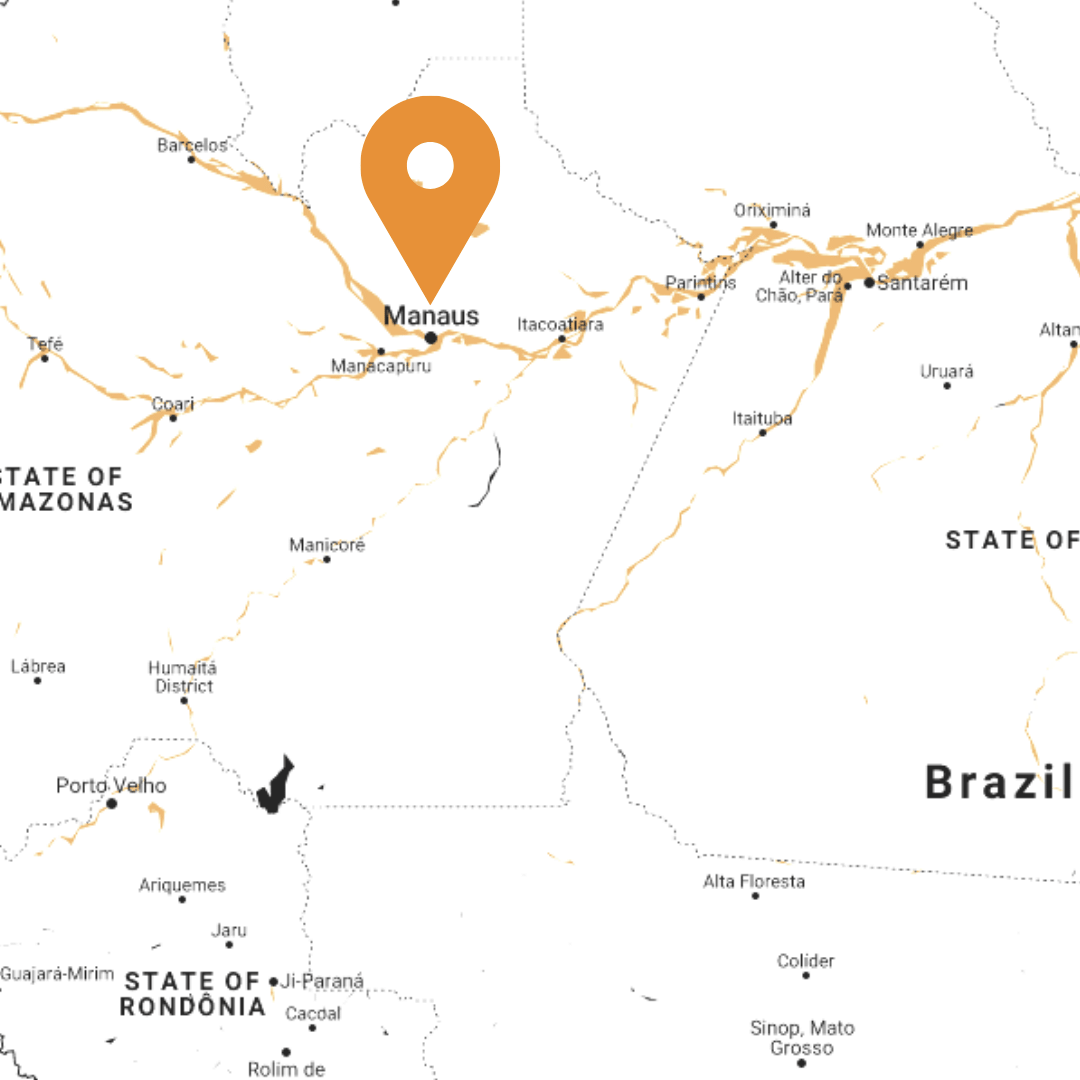
 Simply being in the Amazon, living on a riverboat, and caring for people with very limited access to care may be enough, but there is still more to see! Your team will have some time to discover Manaus, including the renowned opera house, Teatro Amazonas (the #1 rated place to visit in Manaus according to TripAdvisor!), the handicrafts market, and the Rio Negro Palace. You may also have the opportunity to explore the rainforest and “hunt” for caimans, explore the villages where you will work, and experience life aboard, steaming up and down the Amazon. Every IMR team member who has “taken the boat” will tell you – this trip is best!
Don’t leave your camera home on this trip! There is a beautiful photo in your future – sunrises and sunsets on the Amazon, pink dolphins (watch the river for smooth shiny water and you’ll be sure to find them), wonderful riverfront stores and homes, and beautiful, laughing children and families!

Extend Your Stay
You’re journeying across the globe. Why not extend your stay in Brazil to experience some of the top tourist attractions of the amazing city of Rio de Janeiro? Join us on an exclusive trip extension provided by our partner, Worldwide Navigators! Contact Worldwide Navigators to book an extension or get more information.
Highlights:
- Go inland! You’ll find streets lined with luxury fashion boutiques, fine dining restaurants, and bars playing Bossa Nova.
- Summit Sugarloaf Mountain, which boasts wildly spectacular views of Guanabara Bay and the city of Rio.
- Experience Brazilian culture with a percussion class, samba dancing, and dinner with a festival-themed show.
See the Extensions tab on this page for details on this amazing experience!
Itinerary at a Glance
Day 1 · Sunday, August 16, 2026
Arrivals & Orientation
Day 2 · Monday, August 17, 2026
Clinic
Day 3 · Tuesday, August 18, 2026
Clinic
Day 4 · Wednesday, August 19, 2026
Clinic
Day 5 · Thursday, August 20, 2026
Clinic
Day 6 · Friday, August 21, 2025
Cultural Day
Day 7 · Saturday, August 22, 2025
Departures
Gallery


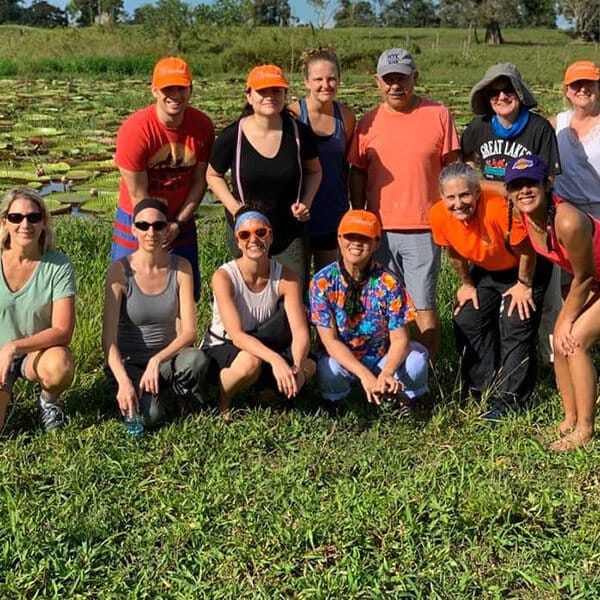
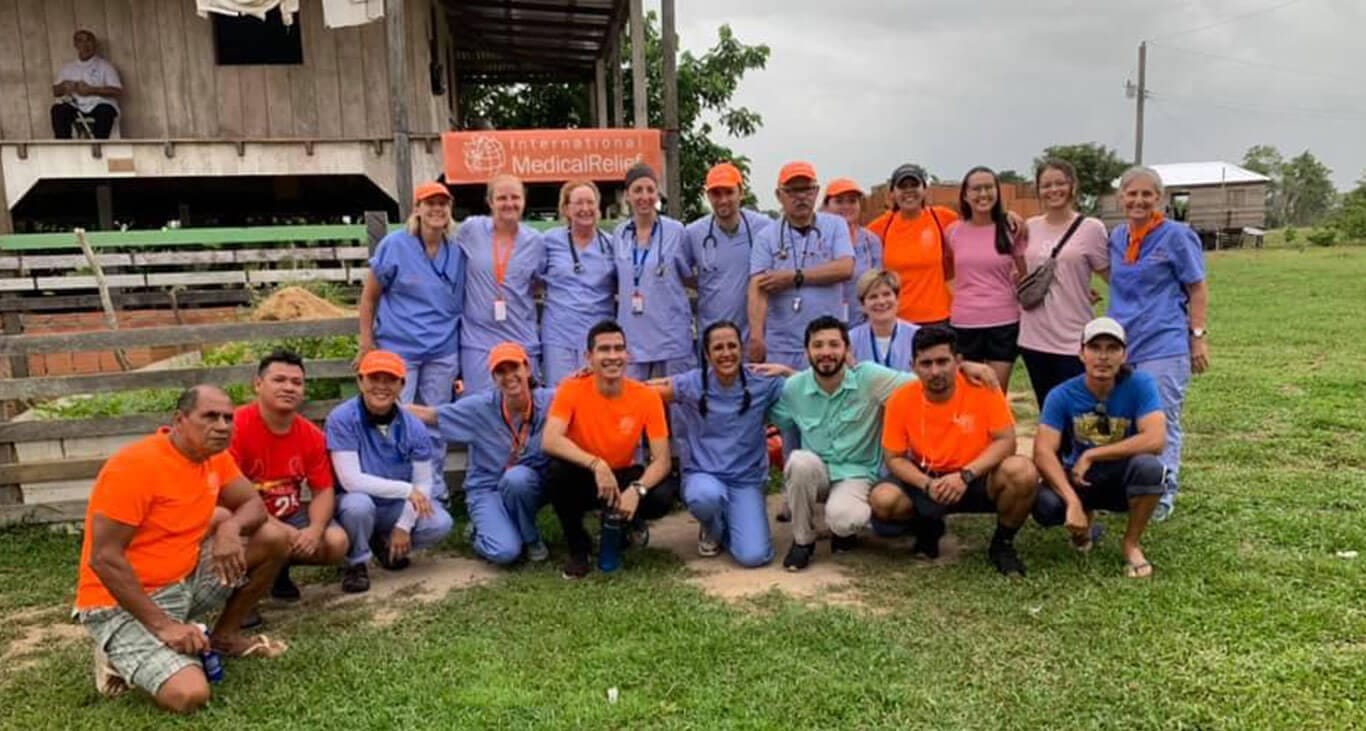


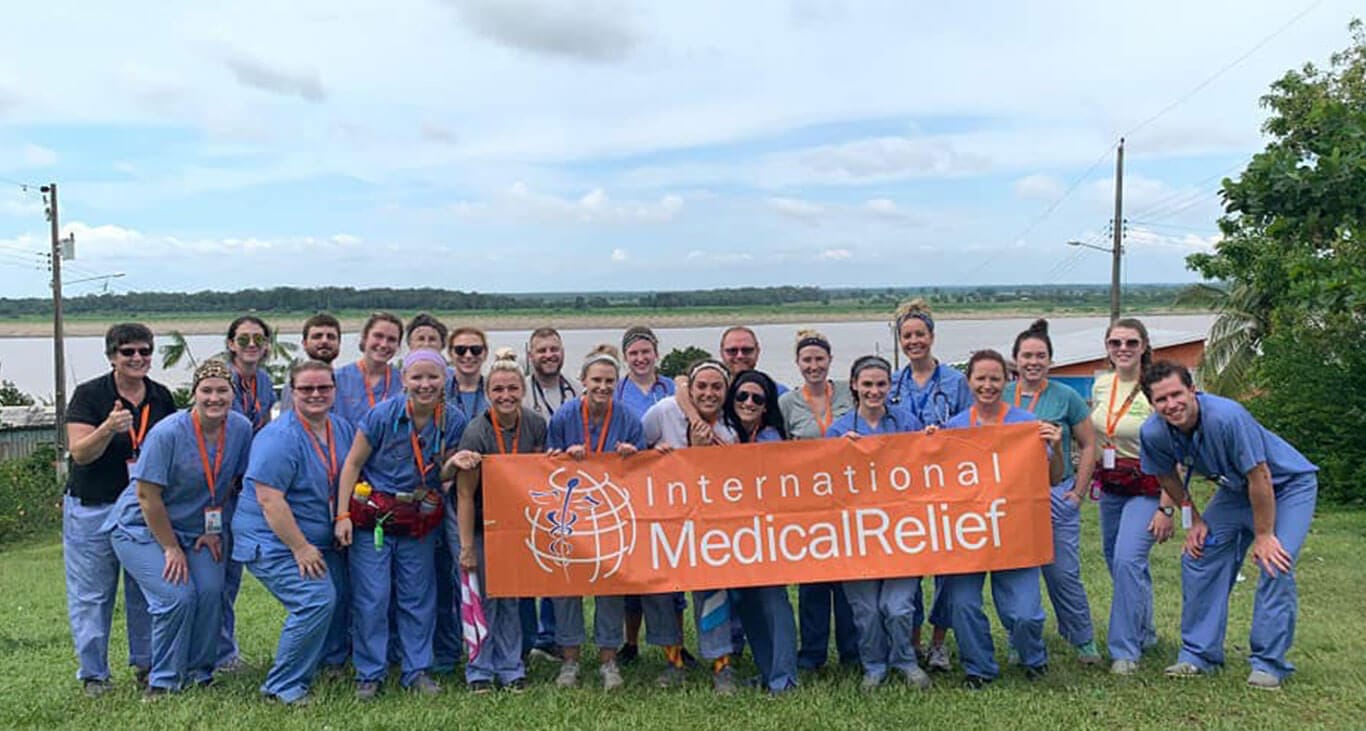

Your Journey
Weather
 Average High and Low Temperature in Manaus, Brazil ©WeatherSpark.com
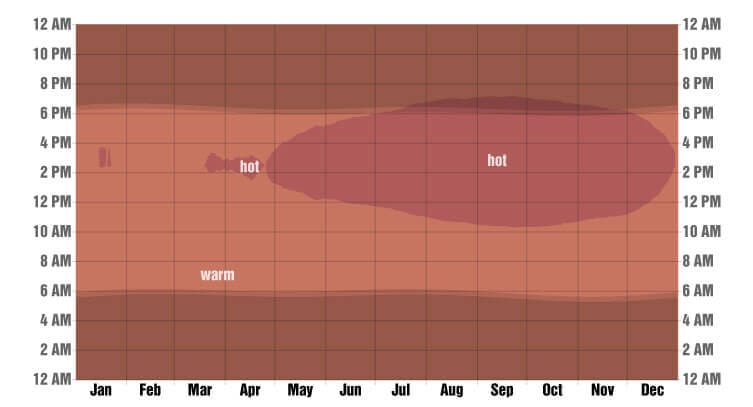 Average Hourly Temperature in Manaus, Brazil ©WeatherSpark.com
Clinic Photos


Full Itinerary
This itinerary is subject to change without notice.
You will need to arrange your flight destination to be Manaus, Brazil. Airport code MAO. If you need assistance booking flights, please contact Worldwide Navigators, our preferred travel agency, at travel@worldwidenavigators.com. You will need to arrange transportation with IMR from the airport to the marina and dock where you will be meeting the riverboat. You may purchase this from within your portal under Trip Add-Ons.
Arrivals & Orientation
You need to arrive in beautiful Eduardo Gomes International Airport, Manaus, Brazil (MAO) by 2:00pm to meet your team at the airport for your pre-arranged transportation to the boat, but you will want to come earlier!
YOU MUST OBTAIN AIRPORT TRANSFERS FROM IMR IN ORDER TO GET TO THE CORRECT DOCK AND MARINA. You may purchase these from within your portal under Trip Add-Ons.
When you get to the riverboat, check out your hammock and get your sea-legs (or river legs)! This is also your departure evening from Manaus. Join everyone on deck for the ride under the bridge and take some photos of the lights!
Your team will gather in the bow to get to know one another and have a training session that will prepare you for the clinic days ahead! Try out the outdoor shower on the stern – bathing suit required!
Meals: Dinner,
Clinic
You will be steaming on the Amazon or one of her many tributaries. Each day you will steam to a new village, either arriving in the morning or docking overnight nearby. Some villages are close to the water’s edge and some may require you may walk on boardwalks into the village.
Meals: Breakfast, Lunch, Dinner,
Clinic

You and your team will provide training for local healthcare providers to continue IMR’s long-term, sustainable education efforts. Education is as important as medical and dental care for our patients. Each clinic includes basic health education according to the specialties and skills of the IMR volunteers, as well as the needs of the local people. When communities become empowered to take health and wellness issues into their own hands, they become self-sufficient. IMR provides learning opportunities for the local communities through classes and hands-on learning to sustain their well-being beyond our visit.
Meals: Breakfast, Lunch, Dinner,
Clinic

You may set up clinic in a church, a school, or even in the village square. Some villages will be small, others big. This is truly a trip where you will see it all! If you are lucky enough to catch a festival in a village, you will be sure to be right in the middle of the action!
Meals: Breakfast, Lunch, Dinner,
Clinic

Many clinic days will be spent helping those with malaria, dengue fever, tinea and scabies, chagas disease, leishmaniasis, tuberculosis, leprosy, and other common conditions throughout the Amazon Region of Brazil.
Meals: Breakfast, Lunch, Dinner,
Cultural Day

The day is yours to explore the area and discover Manaus, including the renowned opera house, Teatro Amazonas (the #1 rated place to visit in Manaus according to TripAdvisor!), the handicrafts market, and the Rio Negro Palace. You may also have the opportunity to explore the rainforest and “hunt” for caimans!
Departures

This is your departure day. Plan your flight in the late afternoon or evening to have time to get your land-legs back and see more of beautiful Manaus. Your time in the villages is complete and you’ll take home great memories.
If you’re interested in extending your stay in Brazil to spend time in the exciting city of Rio de Janeiro, our partner Worldwide Navigators offers exclusive trip extensions just for IMR volunteers! See the extensions tab on this page for details.
Meals: Breakfast,
Your Journey
Clinic Photos
Extension Photos






Extensions
If you’re interested in extending your stay in Brazil to spend time in the exciting city of Rio de Janeiro, our partner Worldwide Navigators offers exclusive trip extensions just for IMR volunteers! See the extensions tab on this page for details.
Rio de Janeiro, Brazil
Highlights:
- Go inland! You’ll find streets lined with luxury fashion boutiques, fine dining restaurants, and bars playing Bossa Nova.
- Summit Sugarloaf Mountain, which boasts wildly spectacular views of Guanabara Bay and the city of Rio.
- Experience Brazilian culture with a percussion class, samba dancing, and dinner with a festival-themed show.
Itinerary:
Day 1: Arrive in Rio de Janeiro
Welcome to Rio de Janeiro, one of the liveliest cities in the world! Your first day will include visiting a number of Rio’s staples:
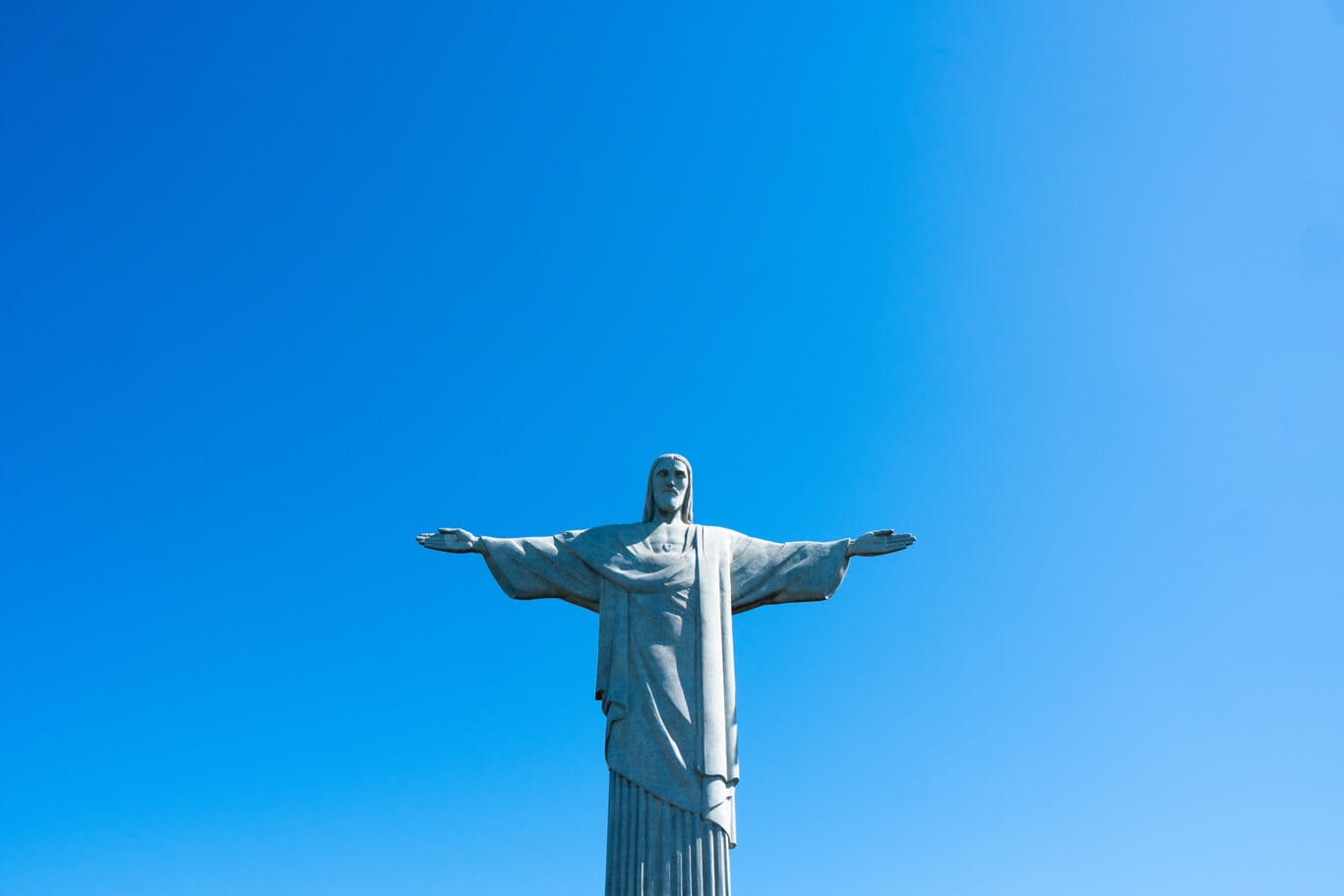
Corcovado & Christ the Redeemer
Christ the Redeemer is an Art Deco statue of Jesus Christ situated atop the mountain Corcovado. It was created by French sculptor Paul Landowski and built by Brazilian engineer Heitor da Silva Costa in collaboration with French engineer Albert Caquot. Romanian sculptor Gheorghe Leonida fashioned the face.
Santa Teresa Neighborhood
Santa Teresa is a hilltop district with a charming, village-like vibe. Steep, winding streets are lined with elegant old mansions, many housing chic boutique hotels, quirky cocktail bars, romantic restaurants with bay views, and artists’ studios. “Santa” has Museu da Chácara do Céu, exhibiting European and Brazilian art, and the atmospheric Ruins Park, with an art gallery built around the ruins of a mansion.
Escadaria Selarón (Selaron Steps)
Escadaria Selarón, also known as the Selaron Steps, is a set of world-famous steps that are the work of Chilean-born artist Jorge Selarón who claimed it as “my tribute to the Brazilian people.”
Metropolitan Cathedral
The Metropolitan Cathedral of Saint Sebastian, better known as the Metropolitan Cathedral of Rio de Janeiro or the Cathedral of St. Sebastian of Rio de Janeiro, is the seat of the Roman Catholic Archdiocese of São Sebastião do Rio de Janeiro.
Sambadrome Marquês de Sapucaí (Sambódromo)
The Sambadrome Marquês de Sapucaí is a purpose-built parade area built for the Rio Carnival.
Rio Scenarium (Carioca Nightclub)
This is a multilevel bar with eclectic, vintage accents for pub fare & cocktails, plus live music & dancing. Here, you’ll experience the charm of samba, beauty of Bossa Nova and the funk buzz. On this tour, receive VIP access with an exclusive table for your group and entry without a long wait.
Day 2: Sugarloaf Mountain | Historic Tour
After breakfast, you’ll dive into more of Rio’s famous sites.
Centro (Historic City Center)
Centro is a neighborhood in Zona Central. It represents the financial heart of the city and the crux of the Central Region. You’ll be able to see a wide range of architectural styles. Most of the colonial and historic buildings are in the City Center between Praça Mauá, Cinelândia, Lapa and Praça XV areas.
Kobra Panels (Olympic Boulevard)
Etnias, the art center in Rio, features the massive diversity-themed Eduardo Kobra mural that was created to celebrate the 2016 Rio Olympics.
Museum of Tomorrow
The Museum of Tomorrow is a science museum designed by Spanish neofuturistic architect Santiago Calatrava and built next to the waterfront at Pier Maua. Its construction was supported by the Roberto Marinho Foundation and cost approximately 230 million reais.
Mosteiro de São Bento (Saint Benedict Monastery)
A UNESCO World Heritage Site, the Abbey of Our Lady of Montserrat, more commonly known as the Mosteiro de São Bento, is a Benedictine abbey located on the Morro de São Bento in downtown Rio. The Mannerist-style church is a primary example of Portuguese colonial architecture in Rio and the country.
Sugarloaf Mountain
Sugarloaf Mountain is a peak situated at the mouth of Guanabara Bay on a peninsula that juts out into the Atlantic Ocean. Rising 396 m above the harbor, its name is said to refer to its resemblance to the traditional shape of concentrated refined loaf sugar.
Ginga Tropical (Philharmonic Hall)
The Ginga Tropical is the best place in Rio for a tour of the many festivals in Brazil. Experience Parintins Festival, Lambada, Carimbó, Xaxado, Forró, Frevo, Maculelê, Capoeira, Orixás Dance, Boleadeiras, Bossa Nova, Samba de Gafierira and the world-renowned Carnival!
Day 3: World Cup Stadium | Cultural Experience & Beaches | Departure Home
Before your departure home this afternoon, be sure to check out these cultural attractions and integral pieces of the Brazilian lifestyle:
Maracanã (Soccer Stadium)
The Maracanã, officially Estádio Jornalista Mário Filho, is the soccer stadium that is part of a complex that includes an arena known by the name of Maracanãzinho, which means “The Little Maracanã” in Portuguese. The stadium was the location of the infamous 2014 World Cup. Enjoy a tour here with exclusive access to the lawn!
Carnival Experience
Gear up for the ultimate Brazilian cultural experience with percussion classes, samba dancing and much more!
South Zone (beaches and lookout points)
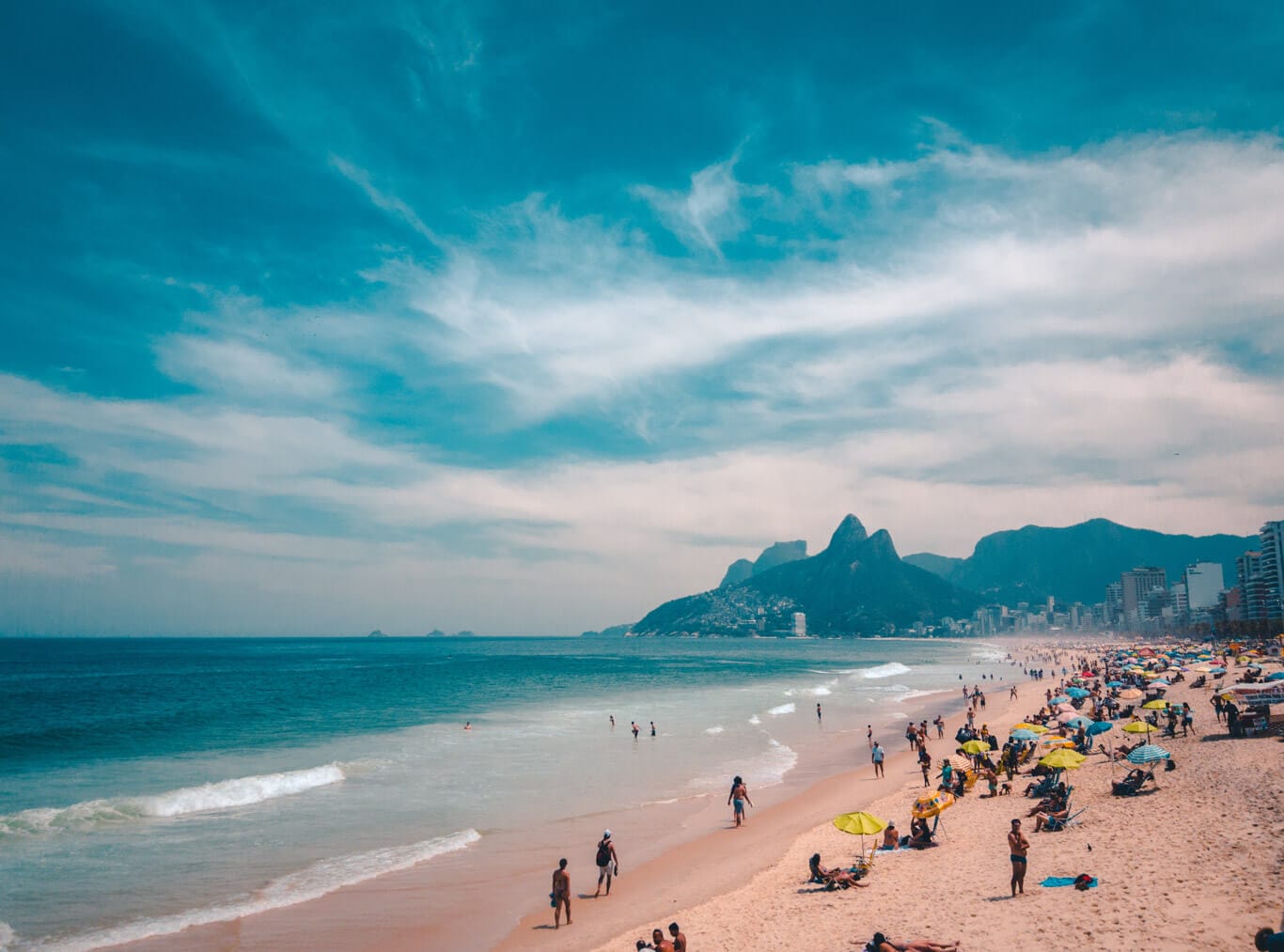
The South Zone is an area of the city situated between the Tijuca Massif, the Atlantic Ocean, and Guanabara Bay. Most of it is made up of neighborhoods along the Atlantic coastline, including São Conrado, Vidigal, Leblon, Ipanema, Copacabana, and Leme. Spend your afternoon lounging beach-side before your departure home and onward journey.
What’s Included:
- 3-Day, 2-Night Tour
- Ground Transportation
- Accommodations
- Daily Activities & Excursions
- 2 Meals Per Day
- Tours & Entrance Fees
- Daytime Tour Guide
- 24-Hour Emergency Service
You Will Need to Provide:
- Customary Gratuities
- Travel Insurance
- Personal Souvenirs/Gifts
- Currency Exchange Fees
3-Day, 2-Night All-Inclusive Tour starts at $1,995. Contact Worldwide Navigators to book this extension or get more information.
Flights & Prices
This mission has been completed. The details below are retained for reference; applications and early bird offers for this trip are closed.
Mission minimum donation: $3,300
For current travel arrangements and donation amounts, please view our upcoming missions.
Prepare to Go
A Walk Through Clinic
Download the Team Guide